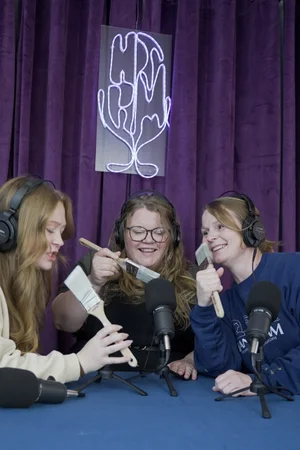
SideQuest 25: The Bondo Debate, Ceiling Fan Struggles, & Legal Fence Drama 🛠️⚖️
Welcome back to another Side Quest episode of How To Handyma'am!
This episode, we're back with another listener Q&A, tackling everything from repairing damaged wood paneling with Bondo to installing a ceiling fan safely—and revisiting one of our most unexpectedly controversial topics yet: which side of a privacy fence should face your neighbor.
As always, your questions took us in a few unexpected directions, but that's what makes these episodes so much fun. If you've got a DIY question you've been wondering about, keep sending them our way—you just might hear it on a future SideQuest!
Tune in on Spotify or Apple Podcasts now!
Here is a breakdown of what we discussed this week:
Can You Use Bondo on Wood?
One of our first listener questions asked whether Bondo could be used to repair damaged wood paneling and fill knots before painting.
Our answer? Yes—but only in the right situations.
Bondo can be a great option for repairing interior wood surfaces that will be painted, especially if you're filling dents, damaged knots, or imperfections in older paneling. Just be prepared—it takes some patience to mix, apply, sand, and feather everything in for a seamless finish.
Where we don't recommend it? Exterior deck boards. Wood moves with changes in temperature and moisture, and patching deteriorated decking usually isn't a long-term solution.
Ceiling Fan Installation Starts Before You Hang the Fan
Another listener asked about replacing a standard light fixture with a ceiling fan.
Before you even think about wiring the fan, there's one important thing to check:
Is your electrical box rated to support a ceiling fan?
A standard light fixture box isn't always designed to handle the weight and movement of a fan. If the box isn't fan-rated, the constant vibration can loosen the installation over time.
It's one of those details that's easy to overlook—but incredibly important for safety.
And as always, we're contractors—not electricians—so if you're unsure about electrical work, it's worth consulting a qualified professional.
DIY Means Knowing Your Limits
Throughout the episode, we talked about the importance of understanding when a project is within your comfort zone and when it's time to ask questions or bring in an expert.
Whether you're repairing wood, replacing a fixture, or tackling a larger renovation, taking a little extra time to research the project can save a lot of frustration later.
There's nothing wrong with learning as you go—as long as you're learning safely.
The "Pretty Side" Fence Debate Returns
One topic that continues to spark passionate opinions is which direction a privacy fence should face.
After discussing the issue in a previous episode and on social media, we received plenty of follow-up questions from listeners.
Our main point wasn't that every city has identical rules—it was that many municipalities and homeowners associations have regulations requiring the finished (or "pretty") side of a one-sided privacy fence to face outward toward neighboring properties or the street.
The lesson?
Before building a fence, check your local regulations instead of assuming you can install it however you'd like.
Permits Aren't the Only Rules That Matter
One of the most important reminders from this episode was that building permits and zoning regulations aren't the same thing.
Even if a project doesn't require a building permit, your municipality may still have rules about:
Fence placement.
Property setbacks.
Shed locations.
Accessory structures.
Pool fencing and gate requirements.
Taking a few minutes to review your local requirements before starting a project can help you avoid expensive surprises later.
Our Biggest Takeaway
Every DIY project starts with asking good questions.
Whether you're deciding if Bondo is the right repair material, installing a ceiling fan, or planning a new fence, understanding the "why" behind the project is just as important as knowing the steps.
And when it comes to local building rules, don't rely on what worked for someone else—check your own municipality's requirements first.
Keep those questions coming! We love these monthly Q&A SideQuests because they give us a chance to tackle the projects and problems you're actually working on. You never know—your question might inspire our next episode!